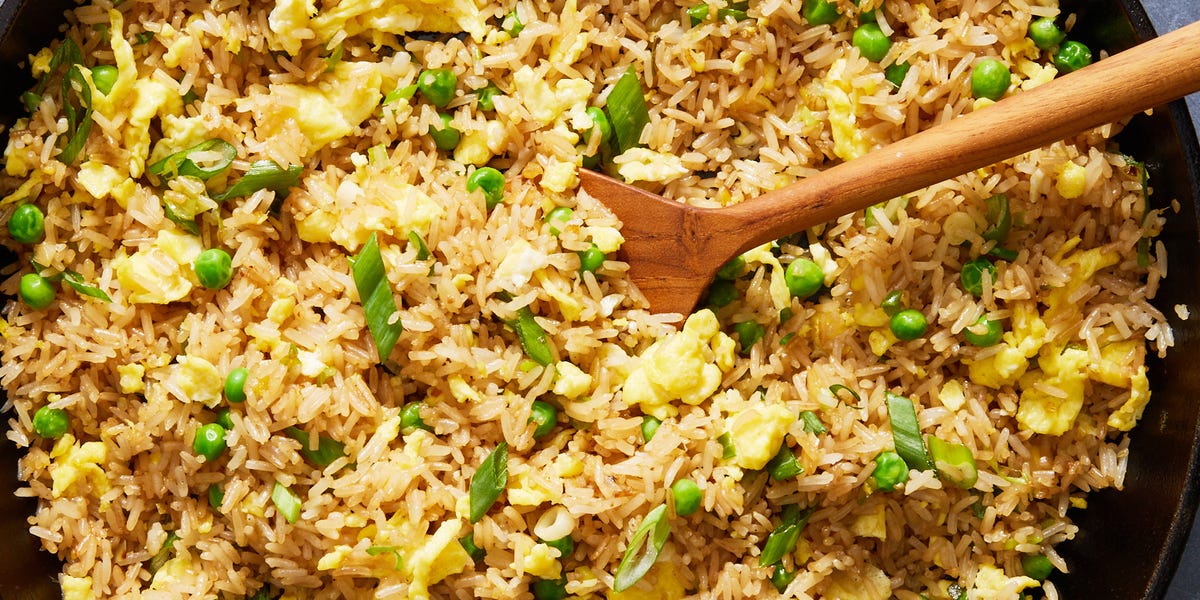
Master Easy Homemade Fried Rice: Your Customizable Guide
There's a universally acknowledged truth among food lovers: few dishes spark as much joy and comfort as a perfectly executed plate of fried rice. Whether you crave the classic takeout version or an adventurous, flavor-packed creation, homemade fried rice is not only incredibly easy to master but also offers an unparalleled level of customization. It's the ultimate weeknight hero, transforming humble leftovers into a sensational meal that satisfies every time. Forget the notion that authentic fried rice is solely the domain of bustling restaurant kitchens; with a few key techniques and a willingness to explore, you can create a truly unbeatable version right in your own home.
The Foundation: Perfecting Your Rice for Flawless Fried Rice
The secret to truly excellent fried rice begins long before the wok even touches the heat: it starts with the rice itself. While it might seem counterintuitive, using *chilled, leftover cooked rice* is the golden rule, and for good reason. Freshly cooked rice, still warm and moist, tends to clump together and turn mushy when stir-fried. Chilling the rice overnight (or at least for several hours) allows the grains to dry out and firm up, ensuring they separate beautifully in the pan, resulting in that delightful individual grain texture we all crave.
If you don't have leftover rice, don't despair! You can still achieve fantastic results. Cook your rice (preferably a medium-grain or jasmine variety) with slightly less water than usual to keep it firmer. Once cooked, spread it out thinly on a baking sheet or wide platter. This increases the surface area, allowing it to cool down rapidly and release moisture. Pop it into the fridge for at least an hour, or even briefly in the freezer for about 15-20 minutes, until it's sufficiently chilled and firm. This crucial step is what prevents your fried rice from becoming a sticky mess and is your first step towards
unlocking perfect fried rice.
Technique is Everything: Achieving Takeout Quality at Home
While the ingredients are important, the technique truly elevates homemade fried rice from good to absolutely phenomenal. Even without the high-BTU burners of a commercial kitchen, you can replicate that restaurant-style magic with a few smart adjustments.
High Heat is Your Best Friend
Whether you're using a wok or a large, heavy-bottomed skillet, heat is paramount. Get your pan screaming hot before adding oil. This prevents sticking, ensures quick cooking, and helps develop that coveted smoky aroma known as "wok hei." Don't overcrowd the pan; cooking in smaller batches, especially the rice, is crucial for maintaining high heat and achieving proper stir-frying rather than steaming. If you add too much at once, the temperature will drop, and your ingredients will stew instead of fry, leading to a bland, soggy dish.
Building Layers of Flavor
The sequence in which you add ingredients is key to creating a harmonious flavor profile:
1.
Aromatics First: Start with a neutral high-smoke-point oil, then add finely minced garlic, ginger, and the white parts of scallions. Sauté briefly until fragrant (30-60 seconds) to infuse the oil with their delicious essence.
2.
Proteins: If using raw protein like shrimp, chicken, or pork, cook it first until almost done, then remove it from the pan. This prevents overcooking while you prepare the other components. Pre-cooked proteins like Chinese sausage or roast duck can be added later.
3.
Vegetables: Add heartier vegetables first (like diced carrots or bell peppers), followed by quicker-cooking ones (peas, corn, cabbage). Stir-fry quickly until tender-crisp.
4.
The Rice: Push the other ingredients to one side, or remove them temporarily. Add your chilled rice to the hot pan, breaking up any clumps with your spatula. Spread it out as much as possible, allowing it to sit undisturbed for a minute or two to develop some crispy edges before stir-frying vigorously.
5.
Eggs: If making egg fried rice, you have a few options. You can scramble eggs separately and fold them in at the end, or create a well in the pan, pour in beaten eggs, and scramble them directly with the rice.
6.
Sauce and Finish: Once the rice is lightly crisped and all ingredients are incorporated, drizzle in your sauce mixture (typically soy sauce, a touch of oyster sauce, sesame oil, and perhaps a pinch of sugar). Toss quickly to coat everything evenly. Garnish with the green parts of scallions. Some adventurous home cooks even use a kitchen blowtorch at this stage to mimic the intense heat of a wok and achieve that sought-after smoky "torch hei" as detailed in specialized recipes like shrimp fried rice.
Endless Customization: Your Fridge, Your Fried Rice
This is where the magic of homemade fried rice truly shines. It's a culinary canvas, eagerly awaiting your personal touch and whatever bits and bobs you have in your fridge or pantry. This dish is designed to use up leftovers deliciously, proving that resourcefulness can lead to gourmet results.
Proteins Galore:
*
Chicken: Diced chicken breast or thigh, cooked and shredded.
*
Pork: Leftover roast pork, BBQ pork (char siu), or savory Chinese sausage (lap cheong) provide incredible flavor.
*
Shrimp: Quick-cooking and delicious, shrimp fried rice is a perennial favorite.
*
Beef: Thinly sliced steak or ground beef.
*
Eggs: Sometimes, all you need are eggs and rice for a perfect
easy fried rice.
*
Tofu: Cubed and pan-fried until crispy for a vegetarian option.
Veggies to Vibrant:
Almost any vegetable can find a happy home in fried rice. Think about color, texture, and cooking time:
*
Staples: Peas, carrots (finely diced), corn kernels.
*
Crunchy Additions: Diced bell peppers, cabbage, snap peas, green beans.
*
Hearty Greens: Chopped bok choy or spinach (add these towards the very end as they wilt quickly).
*
Aromatics: Beyond garlic and ginger, consider finely chopped onions or shallots for deeper flavor.
Global Flavors:
While classic Chinese fried rice with soy sauce and oyster sauce is a timeless choice, don't hesitate to explore other flavor profiles:
*
Thai-Style Crab Fried Rice (Khao Phat Buu): Features fragrant jasmine rice, fish sauce, garlic, chiles, and sweet, flaky crab meat, often with scrambled egg.
*
Nasi Goreng: An Indonesian take, often spicier with shrimp paste, chili, and dark soy sauce, frequently topped with a fried egg.
*
Japanese Omurice: While technically not a stir-fry, it's a popular rice dish where fried rice (often ketchup-flavored) is enveloped in a fluffy omelette.
The beauty is that these are not rigid rules but rather jumping-off points. Feel free to combine elements, experiment with different sauces (teriyaki, sriracha, sweet chili), and make it truly your own. The key is to have all your ingredients prepped and ready (your "mise en place") before you start cooking, as the stir-frying process is incredibly fast.
Conclusion
From a simple craving to a masterful meal, homemade fried rice is a culinary journey that promises delicious rewards. It embodies versatility, economy, and the sheer joy of creating something truly satisfying from scratch. By understanding the importance of proper rice preparation, embracing the power of high heat, and layering flavors thoughtfully, you can confidently turn a humble bowl of rice into a takeout-quality triumph. So grab your wok or skillet, raid your fridge, and embark on your own customizable fried rice adventure. Your best fried rice awaits!