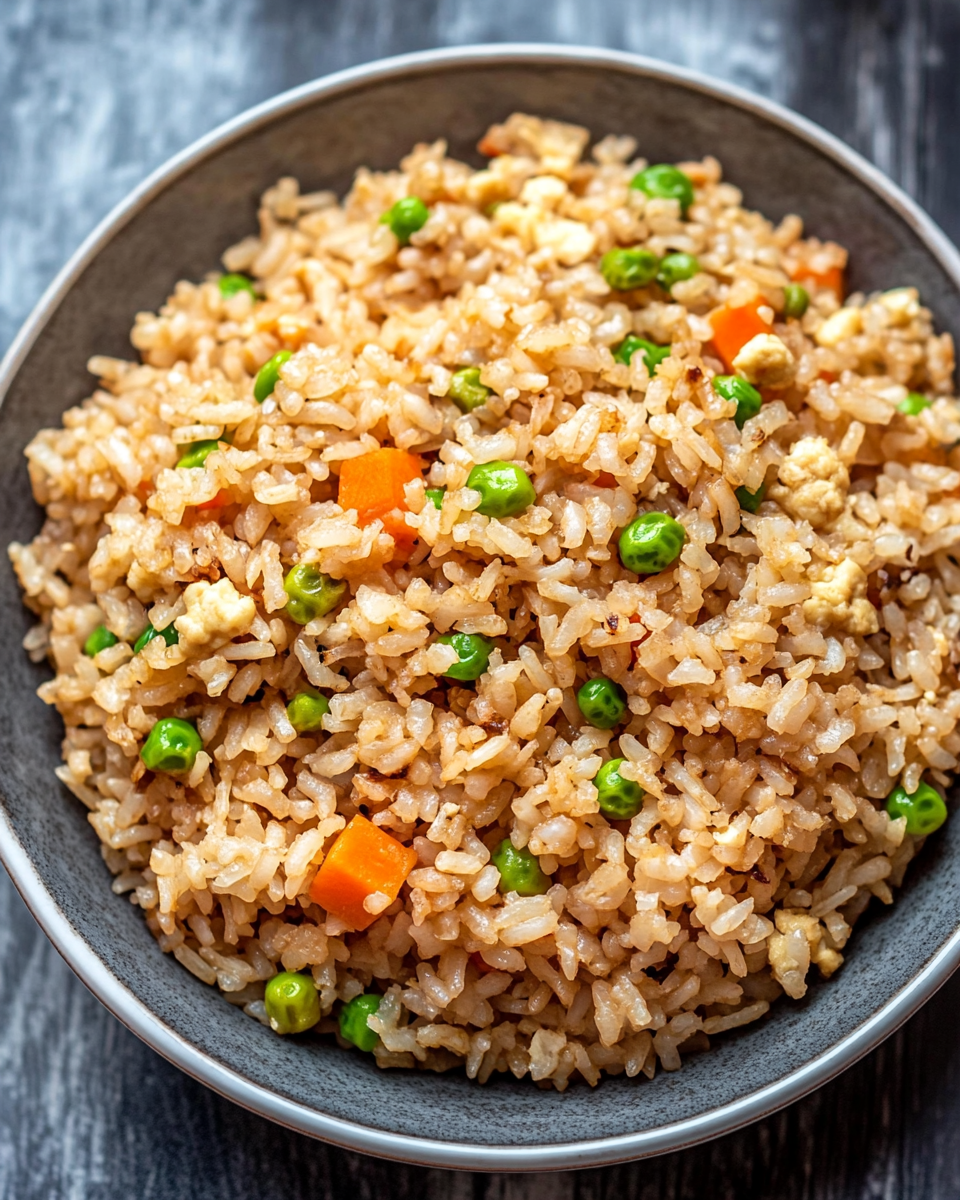
Unlock Perfect Fried Rice: Wok Hei Secrets & Pro Tips
Few dishes evoke the same universal comfort and satisfaction as a perfectly executed plate of fried rice. It’s a culinary chameleon, seamlessly adapting to whatever ingredients you have on hand, transforming humble leftovers into a crave-worthy meal. Whether you lean towards the savory depth of chicken fried rice, the zesty kick of Thai variations, or the simple elegance of egg fried rice, this takeout classic holds a special place in kitchens around the globe.
But what truly elevates homemade fried rice from good to truly extraordinary? It's often the elusive "wok hei"—the smoky, complex aroma and flavor imparted by high-heat stir-frying—that distinguishes restaurant-quality dishes. While home kitchens might lack the roaring BTUs of professional woks, achieving this magic, along with perfectly separate, flavorful grains, is entirely within your reach. This comprehensive guide will arm you with the secrets and pro tips to master fried rice, turning everyday ingredients into an unbeatable culinary triumph.
The Foundation of Flavor: Mastering Your Ingredients
Great fried rice begins with great ingredients, but it's not just about what you use, it's about *how* you prepare them.
The Golden Rule of Rice: Cold and Dry
This is perhaps the single most crucial tip for non-clumpy, perfectly textured fried rice.
Why it matters: Freshly cooked rice contains too much moisture, which will cause it to steam and clump together when stir-fried, leading to a gummy texture. Cold, day-old rice, on the other hand, has dried out and firmed up, allowing the individual grains to separate beautifully and absorb flavors without becoming soggy.
Pro Tip: If you're cooking rice specifically for fried rice, cook it a day in advance, spread it on a baking sheet to cool completely, then refrigerate it uncovered for several hours or overnight. This maximizes moisture loss. Even better, use grains that have been pressed down into a shallow container in the fridge, creating a block that's easy to break up into individual grains.
Customizable Creations: Proteins & Veggies
The beauty of fried rice lies in its versatility. It's a fantastic way to utilize "bits and bobs" from your fridge.
Proteins: Think beyond the usual! Diced chicken, sliced pork, shrimp, roast duck, BBQ pork, crispy tofu, or even Chinese sausage are excellent choices. For a quick and easy option, a simple scrambled egg is a classic addition.
Vegetables: Frozen peas and carrots are staples, but don't stop there. Finely diced onions, bell peppers, corn, cabbage (which adds a lovely crunch), mushrooms, or any hearty greens can elevate your dish. Remember to chop all your vegetables into small, uniform pieces for even cooking.
Pro Tip: Prep *everything* before you even turn on the stove. Stir-frying is a fast-paced process, and you won't have time to chop or measure once the heat is on. This is called *mise en place* – "everything in its place" – and it's essential for success.
The Sauce Symphony: Seasoning for Success
While the core ingredients are important, the sauce ties everything together.
Classic Seasonings: Soy sauce (light and dark), oyster sauce (for umami depth), and sesame oil (for nutty aroma) form the holy trinity of many fried rice recipes.
Beyond the Basics: Don't be afraid to experiment. Chicken broth powder can add a concentrated savory punch, as seen in some shrimp fried rice recipes where it's used to enhance flavor without relying on heavy sauces. Fish sauce adds a unique, pungent savoriness for Thai-style variations, while a touch of white pepper is a common, subtle addition for an aromatic kick.
Pro Tip: Mix your sauce ingredients in a small bowl *before* you start cooking. This allows for quick, even distribution into the hot wok.
Unveiling Wok Hei: The Smoky Secret
"Wok hei," or the "breath of the wok," is the magical element that makes restaurant fried rice so irresistible. It's that smoky, charred, yet profoundly savory flavor that comes from cooking over intense heat in a well-seasoned wok.
What is Wok Hei?
It's more than just char; it's a complex interplay of caramelization, the Maillard reaction, and the partial combustion of oil and food particles in a super-hot wok, imparting a distinctive, slightly smoky aroma and taste. It's the hallmark of authentic stir-frying.
Home Kitchen Hacks for High Heat
Most home stoves simply can't generate the extreme BTUs of commercial wok burners. But you can still get close:
1.
Preheat Aggressively: Get your wok or skillet screaming hot before adding oil. Let it smoke lightly before proceeding.
2.
Don't Overcrowd: This is paramount. Overloading the pan drops the temperature dramatically, causing food to steam rather than fry. This is the enemy of wok hei and individual grains. Cook in smaller batches if necessary.
3.
Use High Smoke Point Oil: Canola, peanut, grapeseed, or vegetable oil are ideal as they can withstand high temperatures without burning.
The Torch Technique: Mimicking the Wok's Breath
One innovative way to infuse that smoky essence into your homemade fried rice is with a kitchen blowtorch.
How it works: After stir-frying your rice and other ingredients, spread a portion of the rice mixture thinly in the wok or skillet. Quickly pass the flame of a kitchen torch over the surface, just enough to lightly char some grains and create localized high heat. Repeat for batches. This technique, used in recipes like
Master Easy Homemade Fried Rice: Your Customizable Guide and for dishes like shrimp fried rice or Chinese sausage fried rice, effectively mimics the high-heat charring and smoky aroma of traditional wok hei.
Pro Techniques for Perfect Grains and Flavors
Beyond ingredients and heat, the actual cooking method plays a significant role.
The Art of Batch Cooking
As mentioned, overcrowding is the enemy. If you're making a larger quantity of fried rice, divide your ingredients and cook them in stages.
Method: Cook your aromatics and protein, remove them from the pan. Then, add your egg, cook, and remove. Next, stir-fry a smaller portion of rice until well heated and separated, then add a portion of your cooked ingredients and sauce. Repeat for remaining batches. This maintains the high heat necessary for frying, not steaming.
The Right Tools for the Job
While a traditional wok is ideal for its concave shape and ability to distribute heat evenly while allowing for easy tossing, a heavy-bottomed skillet or cast-iron pan can also deliver excellent results in a home kitchen. The key is a pan that retains heat well.
Step-by-Step Stir-Frying Flow
A general order for superior fried rice:
1.
Aromatics First: Sauté minced garlic, ginger, and diced onions until fragrant.
2.
Protein Power: Add your chosen protein and cook until almost done. Push to one side.
3.
Egg Excellence: Pour beaten egg into the cleared space, scramble, then break into small pieces and combine with other ingredients.
4.
Veggies & Rice: Add firmer vegetables (carrots, bell peppers) and cook for a minute, then add softer ones (peas, corn, cabbage). Finally, add your cold, dry rice, breaking up any clumps with your spatula.
5.
The Grand Finale: Stir-fry vigorously, ensuring all grains are coated and heated through. Pour in your pre-mixed sauce, tossing constantly to distribute evenly. Finish with a drizzle of sesame oil and chopped scallions.
Beyond the Basics: Exploring Global Fried Rice Styles
While the core principles remain, the world of fried rice offers an incredible array of flavors and regional variations.
Classic Comforts: Egg Fried Rice & Shrimp Fried Rice
These are often the entry points to homemade fried rice.
Egg fried rice is a testament to simplicity, proving that even with just eggs and rice, a delicious meal is possible. The key is perfectly fluffy, scrambled eggs integrated throughout.
Shrimp fried rice highlights the delicate sweetness of shrimp, often seasoned with just a hint of chicken broth powder for clean, bright flavors. If you're eager to dive into specific recipes and master these foundational dishes, our guide
Master Easy Homemade Fried Rice: Your Customizable Guide offers a perfect starting point, especially for classic preparations like egg or shrimp fried rice.
International Adventures: Nasi Goreng & Thai Crab Fried Rice
Expand your palate with dishes like Indonesian
Nasi Goreng, characterized by its sweet and savory soy sauce (kecap manis), often topped with a fried egg and served with sambal. Or savor the exquisite flavors of Thai
Khao Phat Buu, a crab fried rice that beautifully showcases sweet, flaky crab meat with fragrant jasmine rice, fish sauce, garlic, and chiles. For a broader culinary journey that turns
From Leftovers to Delish: 13 Easy Fried Rice Recipes, which covers everything from Nasi Goreng to Japanese Omurice, providing inspiration for every craving.
Conclusion
Making perfect fried rice at home is a rewarding culinary endeavor that combines simple ingredients with precise techniques. By prioritizing cold, dry rice, embracing the concept of "wok hei" through high heat and even a kitchen torch, cooking in batches, and mastering the stir-frying flow, you can transform humble leftovers into a restaurant-quality feast. The beauty lies in its endless customizability – so experiment with proteins, vegetables, and seasonings to craft your ultimate fried rice masterpiece. Now, grab your wok or skillet, and get ready to create a dish that's truly unbeatable!